The telephone game of university policy
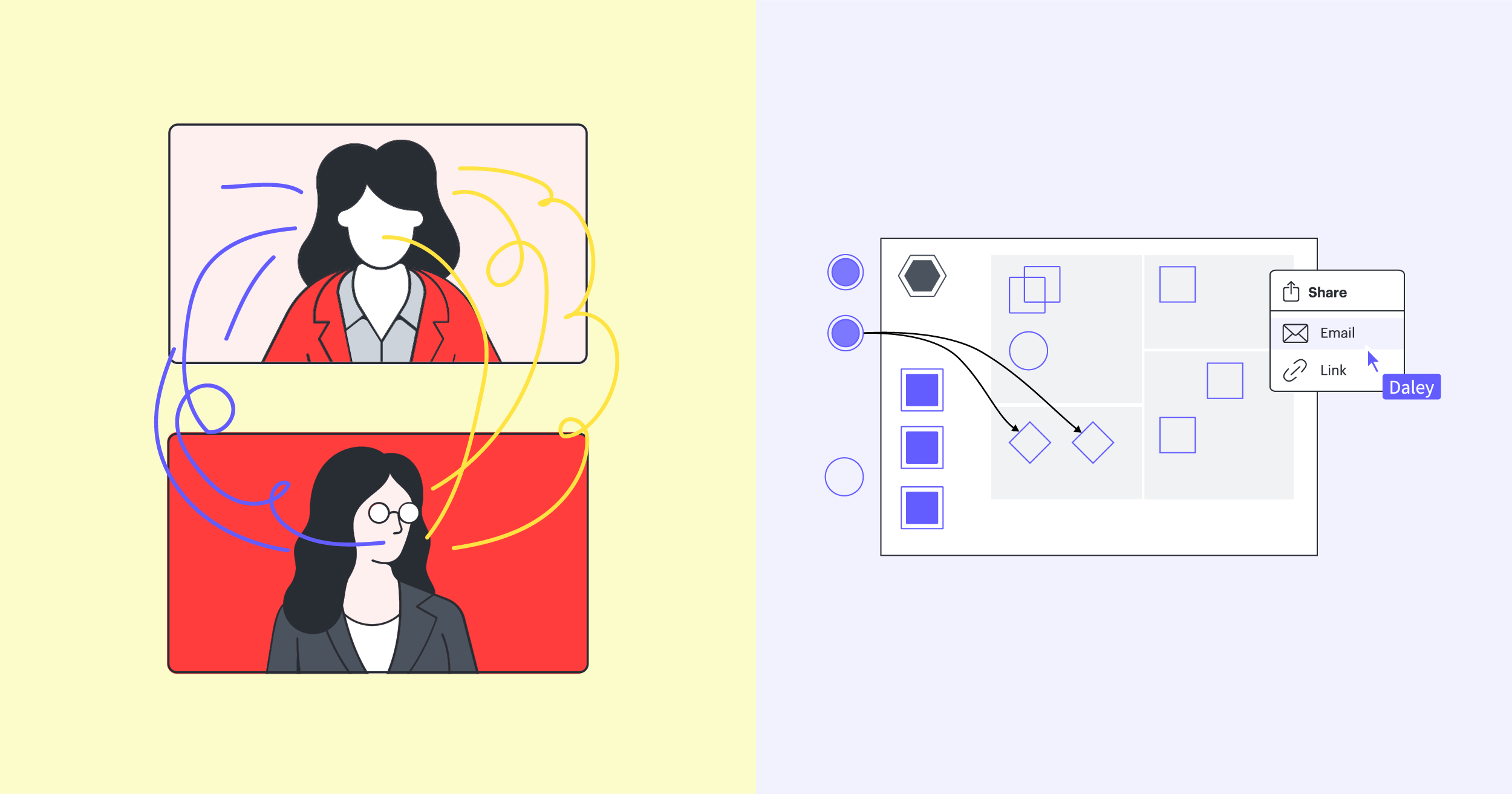
The game of telephone is loved for how wildly absurd the end results are compared to the initial phrase whispered to the first player. Of course, the goal is to stay as close to the original phrase as possible, but no one really expects that to happen.
On a university campus, games of telephone are happening all the time–across departments, within departments, at the administrative level and the professorial level. Unfortunately, these “telephone” games are not intentional and can be quite detrimental.
If a campus system is decentralized, department HR and administrative teams must constantly navigate complex compliance rules, multi-level hiring paths, and sudden policy shifts. Standard operating procedures, in this climate, are unmanaged or live purely in long text documents, resulting in several issues:
-
The "Word-of-Mouth" trap: When central offices delay policy documentation, individual departments are forced to guess. They map workflows based on unwritten, informal rules. This particular game of "telephone" leads to processing delays, errors, and massive compliance risks.
-
Technical friction and formatting frustration: Staff may know they need to map their processes visually, but they are rarely given the right tools or training. They end up wasting hours fighting with clunky software, struggling with shifting fonts, broken lines, and messy version control.
-
External vendor black hole: When universities hire external search firms or consultants for executive recruitment, the critical documentation is often left in the vendor’s personal, disconnected folders. When the contract ends, that valuable administrative data vanishes.
The need: Multi-campus clarity
University systems must establish an active visual repository of the institution’s administrative lifecycles.
1. Structure visual processes with multi-tier swimlanes
Crystal-clear boundaries are needed to manage processes that cross from the departments to central HR. Standardized horizontal or vertical swimlanes isolate exactly who owns what at every stage:
-
Departmental ownership lanes: Track the exact internal milestones and data entries unique to the individual academic unit.
-
Candidate milestones: Lay out the sequential touchpoints, eligibility checks, and progress parameters for applicants.
-
Central infrastructure systems: Map the final approval gateways, central payroll steps, and database entries controlled by central university HR.
2. Lock in integrity with version history
When multiple people are editing a workflow, layouts can break and steps can get accidentally deleted. Using robust, cloud-native version history lets administrators trace edits back in time. This permanent audit trail allows teams to pinpoint exactly when and where a logic error or layout shift occurred, protecting institutional standards from accidental edits.
3. Tackle tech anxiety with governed AI
Staff are eager for AI tools to speed up their work, but unvetted consumer AI tools pose massive security risks when handling employee data. By standardizing on an enterprise-vetted visual platform, leadership can let teams use native, secure AI tools to quickly draft flowcharts and convert text-heavy policies into clean visual logic. This drastically lowers the learning curve for staff while keeping data strictly secure.
The multi-campus alignment roadmap
Moving a massive university system from fragmented, informal habits to a unified visual repository requires a clear, practical strategy:
Phase 1: Formalize and segment the workflow
-
Action: Translate unwritten departmental rules into structured, multi-tier swimlanes.
-
Outcome: Replaces inconsistent communication with an accessible, system-wide single source of truth.
Phase 2: Secure documentation
-
Action: Mandate live workspace submissions to enable comprehensive version history tracing, and use collaborative virtual whiteboards to onboard external vendors directly into your system.
-
Outcome: Secures your SOPs against accidental edits while preventing critical vendor data from dissolving into private, external drives.
Phase 3: Deliver targeted staff enablement
-
Action: Provide staff with focused training on responsive typography, data logic, and secure AI-assisted mapping.
-
Outcome: Reclaims lost administrative time, lowers tech anxiety, and eliminates user frustration during complex charting.
LinkedIn Post:
Is your university system playing a high-stakes game of operational "telephone"? 📞🏫
In large, multi-campus institutions, departments and satellite campuses are constantly navigating complex compliance rules, hiring paths, and sudden policy shifts. But when central administration is slow to document these policies, teams are left to guess—operating on unwritten, word-of-mouth rules.
Here is how to bring your campuses back into alignment:
1️⃣ Isolate Ownership with Swimlanes 🌊 Divide complex workflows into visual lanes: Departmental Tasks ➔ Candidate Milestones ➔ Central Approvals. Everyone knows exactly who owns what, and when.
2️⃣ Protect Processes with Version History 🛡️Stop worrying about accidental edits. Trace changes back in time to pinpoint logic errors or layout shifts instantly.
3️⃣ Onboard Vendors Directly to Your Workspace 🤝 Bring external consultants into your virtual whiteboards. When the contract ends, your institutional data stays where it belongs.
Stop playing guess-and-check with campus policies. Transition from informal, fragmented rules to a governed, scalable visual repository. 🚀🗺️
Read the full roadmap for multi-campus alignment here [LINK]
#HigherEducation #UniversityAdministration #OperationsLeadership #OperationalExcellence #ChangeManagement #ProcessMapping